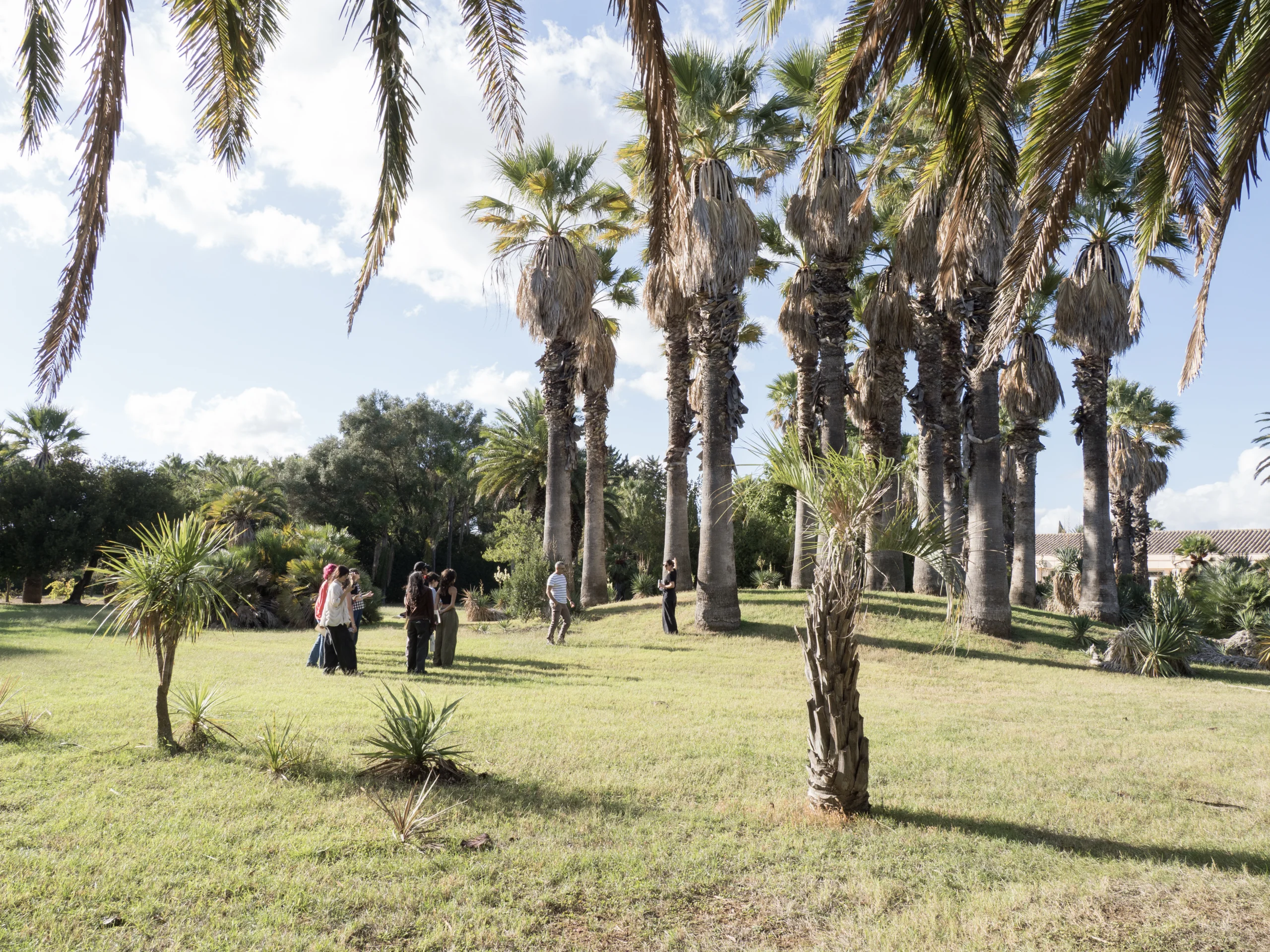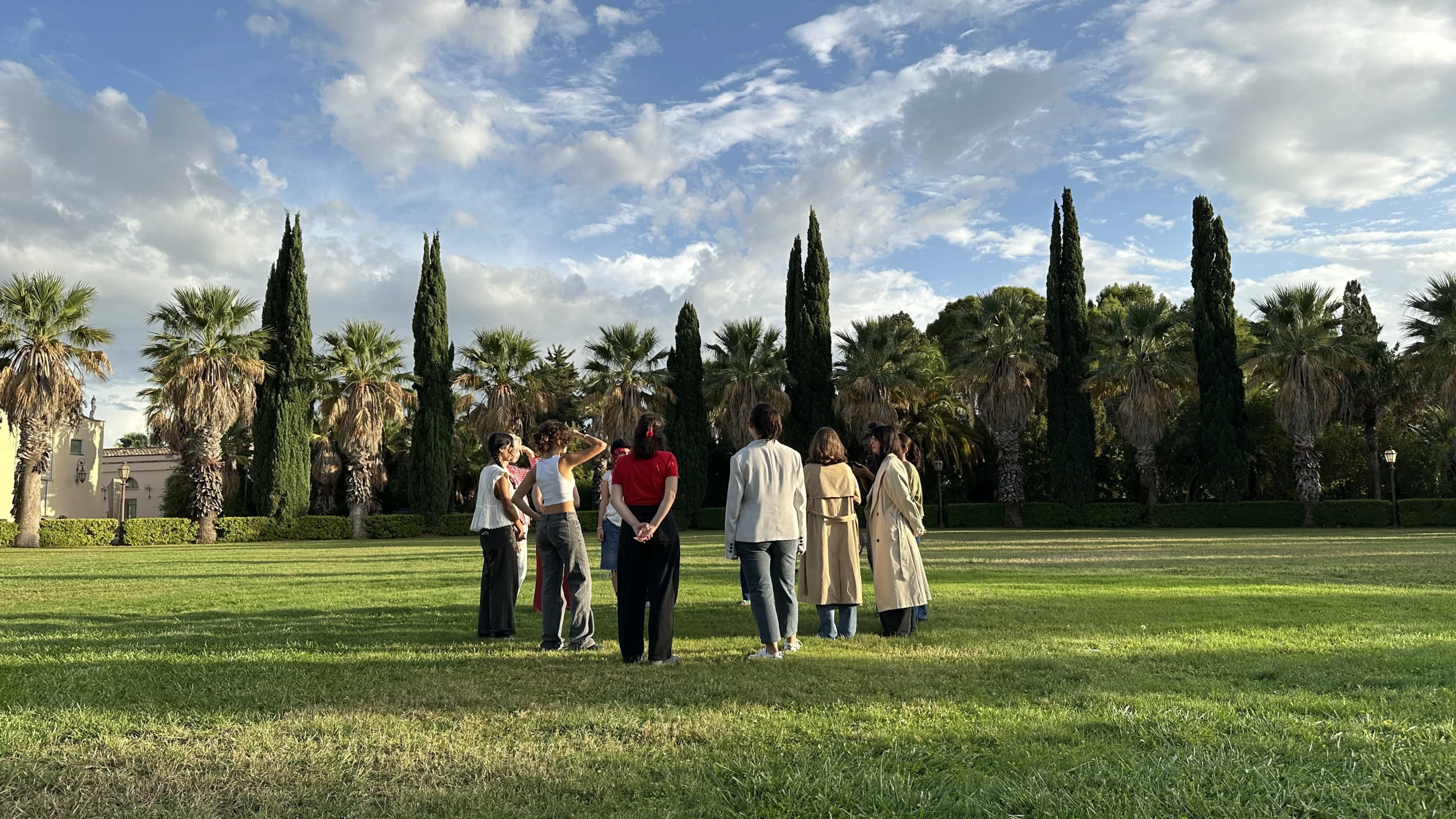


Dal 19 al 23 ottobre 2026, Villa Asquer ha ospitato Tuning in the Landscape, un workshop a cura del Master of Arts Design X Other Species di IED, dedicato all’esplorazione di nuove modalità di relazione con il paesaggio, un’esperienza formativa in cui l’osservazione diretta dell’ambiente, la ricerca sui materiali e la sperimentazione progettuale hanno trovato nel Parco un contesto di lavoro e di apprendimento.
Come cambia il nostro modo di osservare un paesaggio quando proviamo a percepirlo attraverso l’ascolto, il movimento, il contatto con i materiali e l’attenzione alle relazioni tra le diverse forme di vita? E in che modo queste esperienze possono aprire nuove prospettive per la progettazione?
Curato dal Master of Arts Design X Other Species. Transdisciplinary Practices towards More-than-human Futures, il workshop ha coinvolto studentesse e studenti provenienti da diverse sedi IED, proponendo un’esperienza di apprendimento transdisciplinare e invitando i partecipanti a sperimentare modalità di osservazione e interpretazione del paesaggio capaci di superare una prospettiva esclusivamente antropocentrica.
Il workshop è stato curato da Angela Rui, Design Curator, Researcher, e Responsabile dei Master of Arts per IED MIlano.
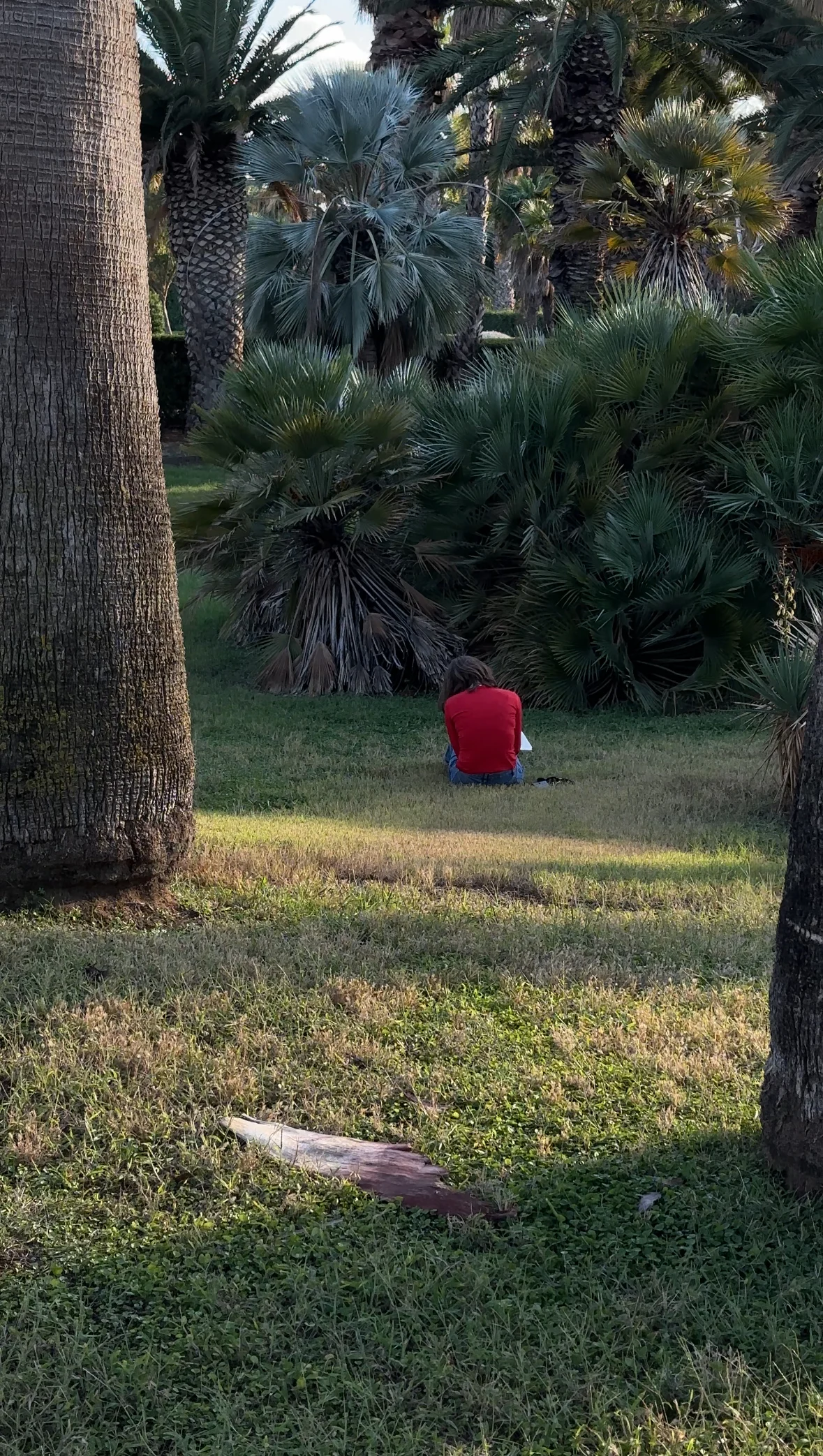
In questo percorso, il Parco di Villa Asquer non è stato soltanto il luogo in cui si sono svolte le attività, ma una componente attiva dell’esperienza, un ambiente da attraversare, osservare e interrogare, nel quale vegetazione, biodiversità e spazi aperti hanno offerto stimoli per la ricerca e la riflessione progettuale.
Imparare a osservare: percepire il paesaggio attraverso nuove prospettive
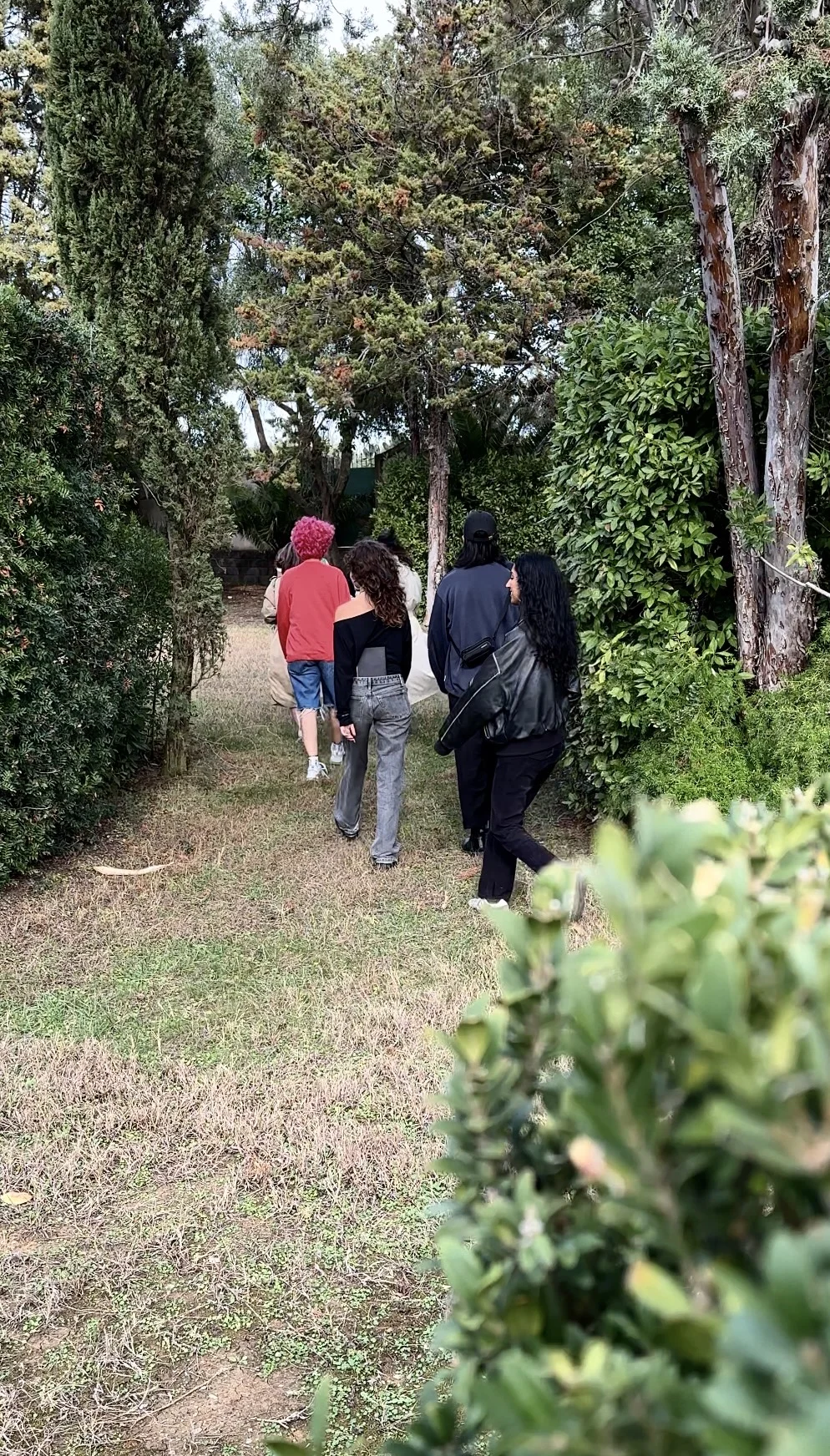
La prima fase del workshop è stata dedicata all’esplorazione del Parco attraverso pratiche sensoriali e attività di osservazione, ascolto, orientamento e rappresentazione. Gli studenti sono stati invitati a sperimentare modalità differenti di entrare in relazione con il luogo, prestando attenzione a elementi e connessioni che spesso restano sullo sfondo della percezione quotidiana.
L’esperienza diretta dell’ambiente ha costituito il punto di partenza per interrogarsi sul modo in cui percepiamo e interpretiamo un paesaggio. Spostare l’attenzione dalla sola osservazione visiva ad altri stimoli sensoriali ha permesso di considerare il luogo attraverso prospettive diverse, mettendo in evidenza le relazioni tra gli esseri viventi e il contesto in cui si sviluppano.
Il Parco è diventato così un campo di indagine, in cui l’esperienza fisica dello spazio si è intrecciata con l’elaborazione di domande e ipotesi. Un approccio che riconosce nell’osservazione non soltanto una fase preliminare, ma uno strumento essenziale per sviluppare nuove prospettive e chiavi di lettura verso l’ambiente.
L’acqua come elemento di relazione
Tra i temi affrontati durante il workshop, l’acqua ha assunto un ruolo centrale come elemento capace di mettere in relazione ambienti, organismi e processi. Attraverso un’attività condotta dall’artista Giuditta Vendrame, i partecipanti sono stati accompagnati in un percorso articolato intorno a tre azioni: mappare, ascoltare e mettere in relazione.
L’acqua è stata considerata non soltanto come risorsa o componente fisica del paesaggio, ma come elemento connettivo, utile a leggere le interdipendenze tra le diverse parti di un sistema ambientale.
Questa prospettiva ha ampliato il campo dell’osservazione, invitando a riconoscere legami e dinamiche che non sempre sono immediatamente visibili. Il paesaggio si è rivelato così non come un insieme di elementi isolati, ma come una rete di relazioni da esplorare attraverso l’attenzione, la ricerca e l’esperienza diretta.
Dai materiali naturali alla ricerca progettuale
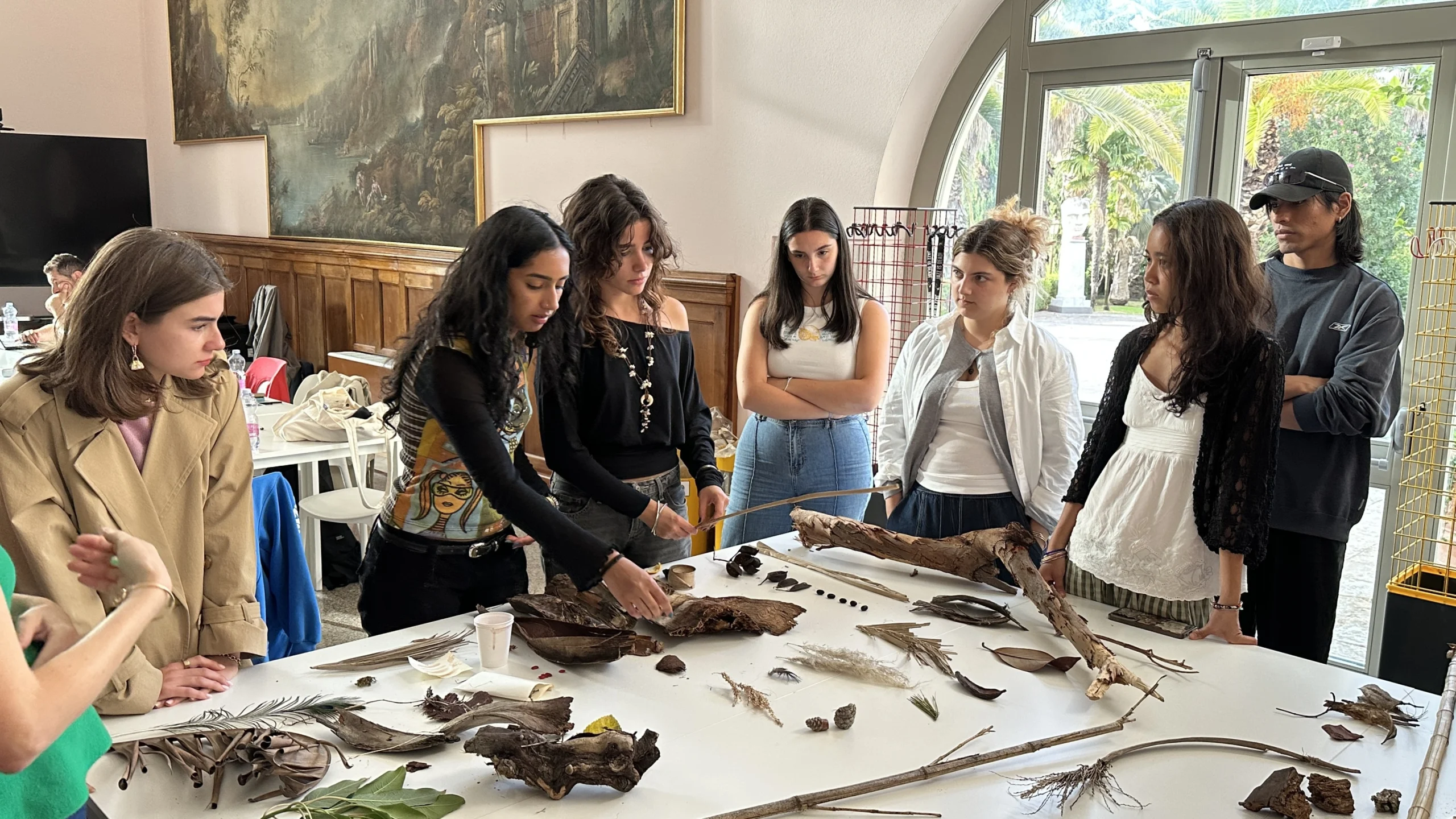
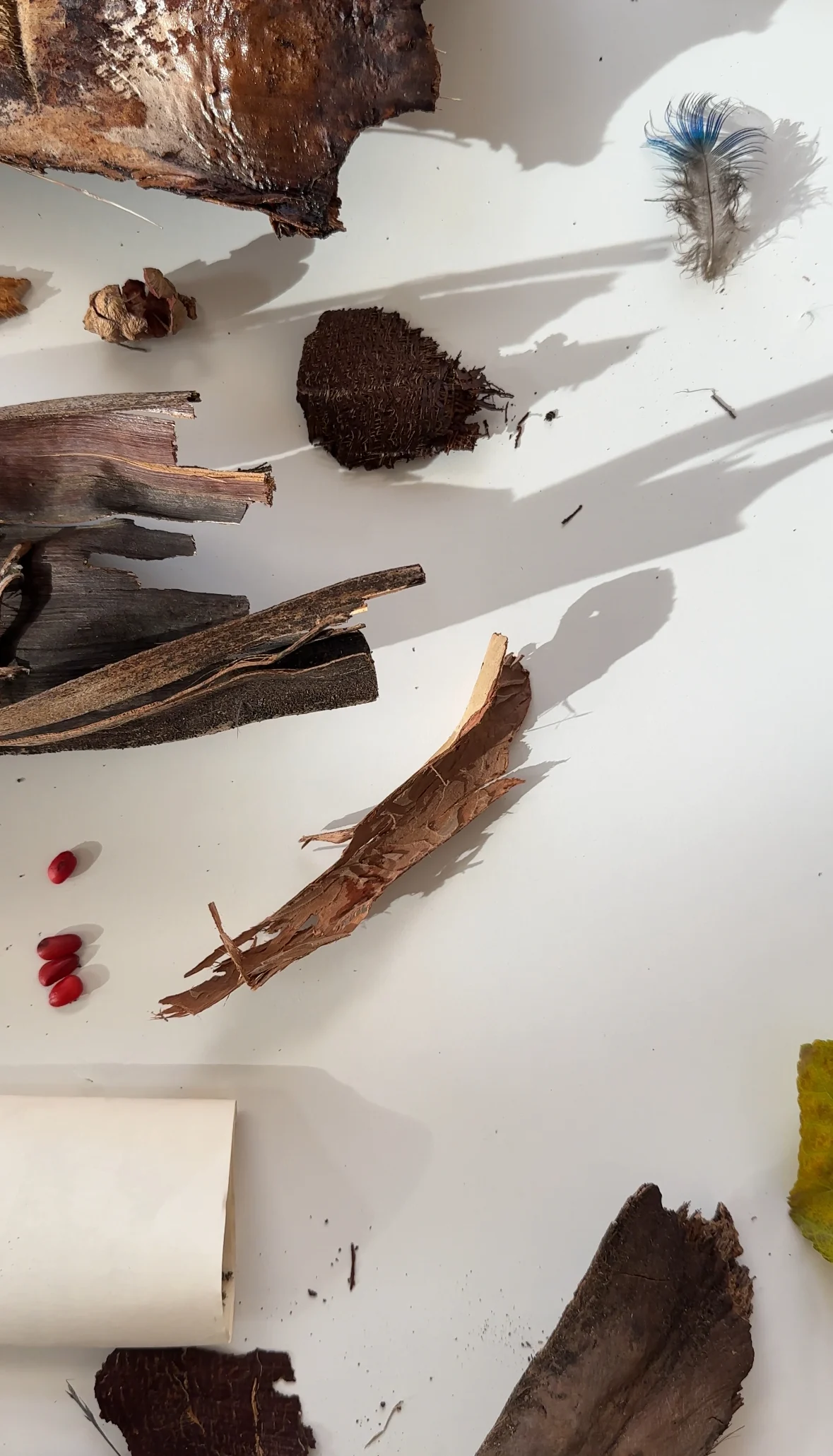
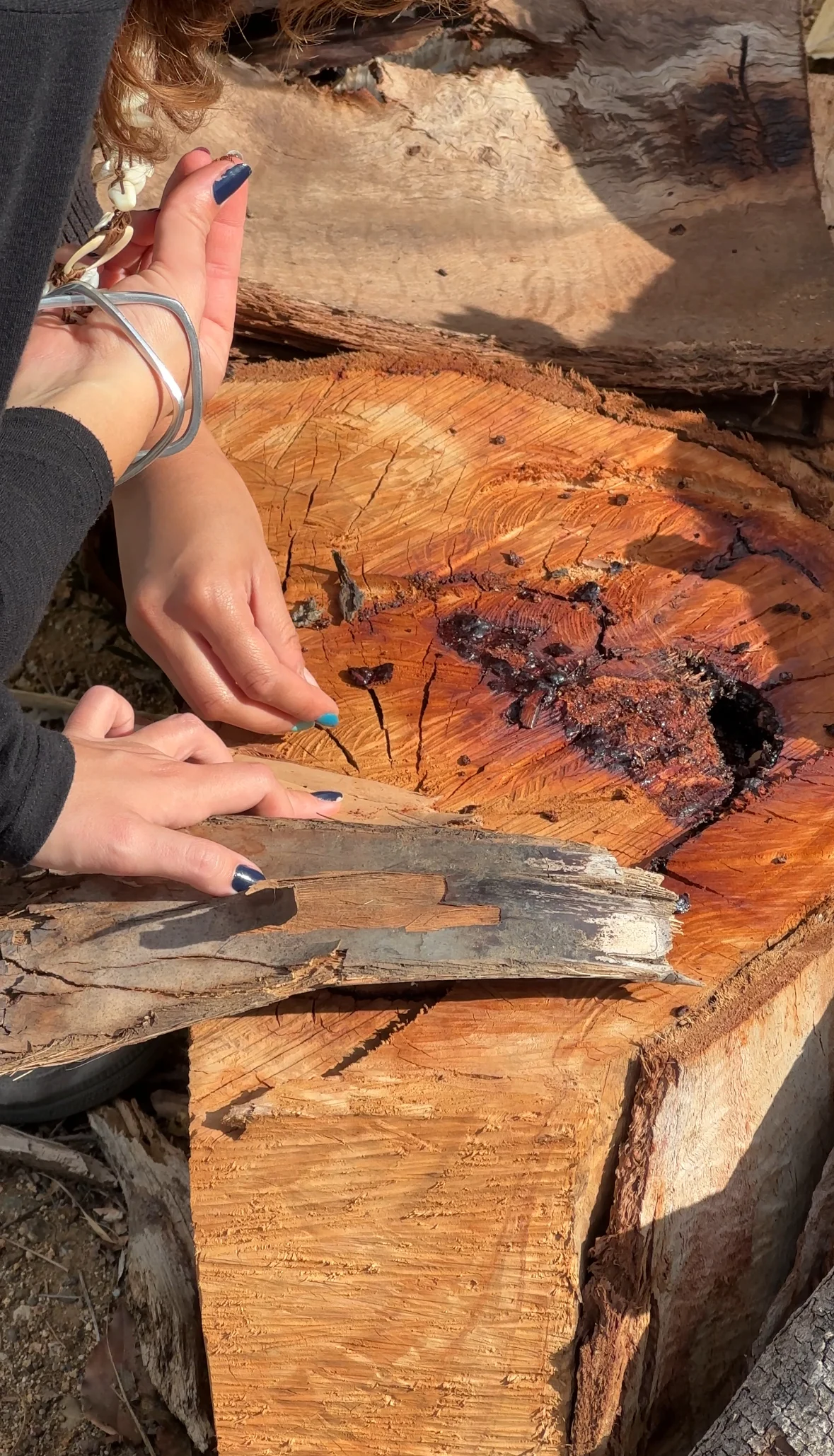
Una seconda fase del workshop ha spostato l’attenzione sui materiali naturali presenti nel Parco e sulle loro caratteristiche, in relazione alla biodiversità e al sistema ecologico di cui fanno parte.
Guidati dalla Designer Eugenia Morpurgo, ogni partecipante ha selezionato alcuni materiali, condividendo con il gruppo le ragioni delle proprie scelte e le caratteristiche che avevano suscitato interesse. A partire da questa osservazione, ciascuno ha sviluppato una riflessione sulle possibili applicazioni dei materiali nel proprio ambito di studio e di progettazione.
Il lavoro ha permesso di mettere in relazione l’esperienza sul campo con le diverse discipline di provenienza degli studenti, mostrando come uno stesso elemento possa suggerire interpretazioni e possibilità d’uso differenti a seconda della prospettiva adottata.
La ricerca non si è concentrata esclusivamente sulle proprietà fisiche dei materiali o sulle loro potenzialità applicative. L’attenzione si è estesa anche al contesto ecologico da cui provengono, alle relazioni che li legano all’ambiente e agli equilibri di cui sono parte.
In questa prospettiva, il materiale non viene considerato soltanto in funzione delle sue prestazioni o del suo possibile utilizzo, ma anche in relazione ai processi e ai sistemi ambientali che ne determinano la presenza. Un passaggio importante per una progettazione che intenda confrontarsi con la complessità delle relazioni tra attività umane e mondo naturale.
Il Parco ha offerto, in questo senso, un contesto concreto in cui mettere alla prova lo sguardo progettuale: un ambiente da cui partire per osservare, selezionare, formulare ipotesi e immaginare applicazioni, mantenendo al centro il rapporto tra materiali, luogo e sistema ecologico.
Rielaborare l’esperienza: dalla ricerca individuale alla condivisione
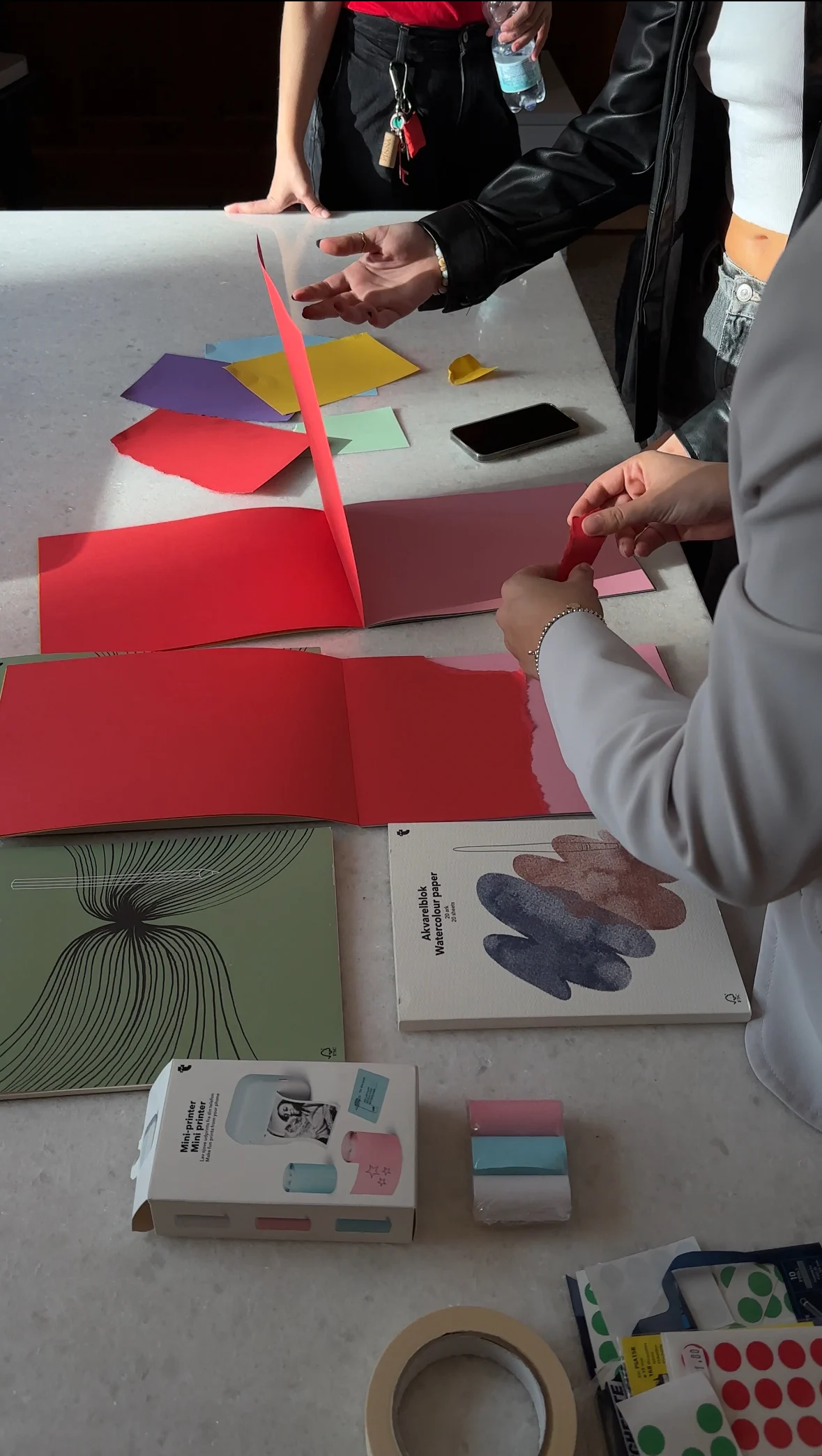
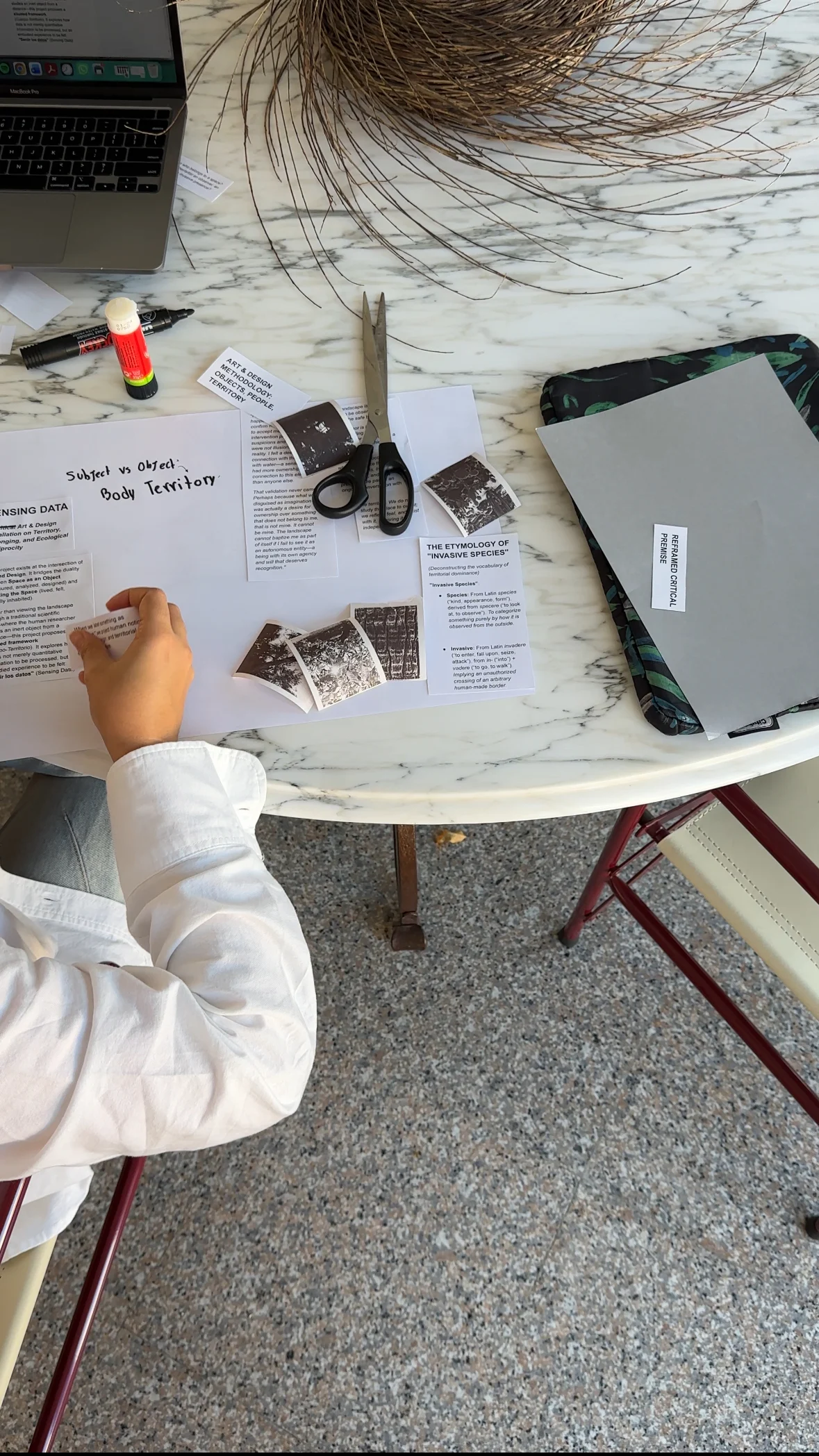
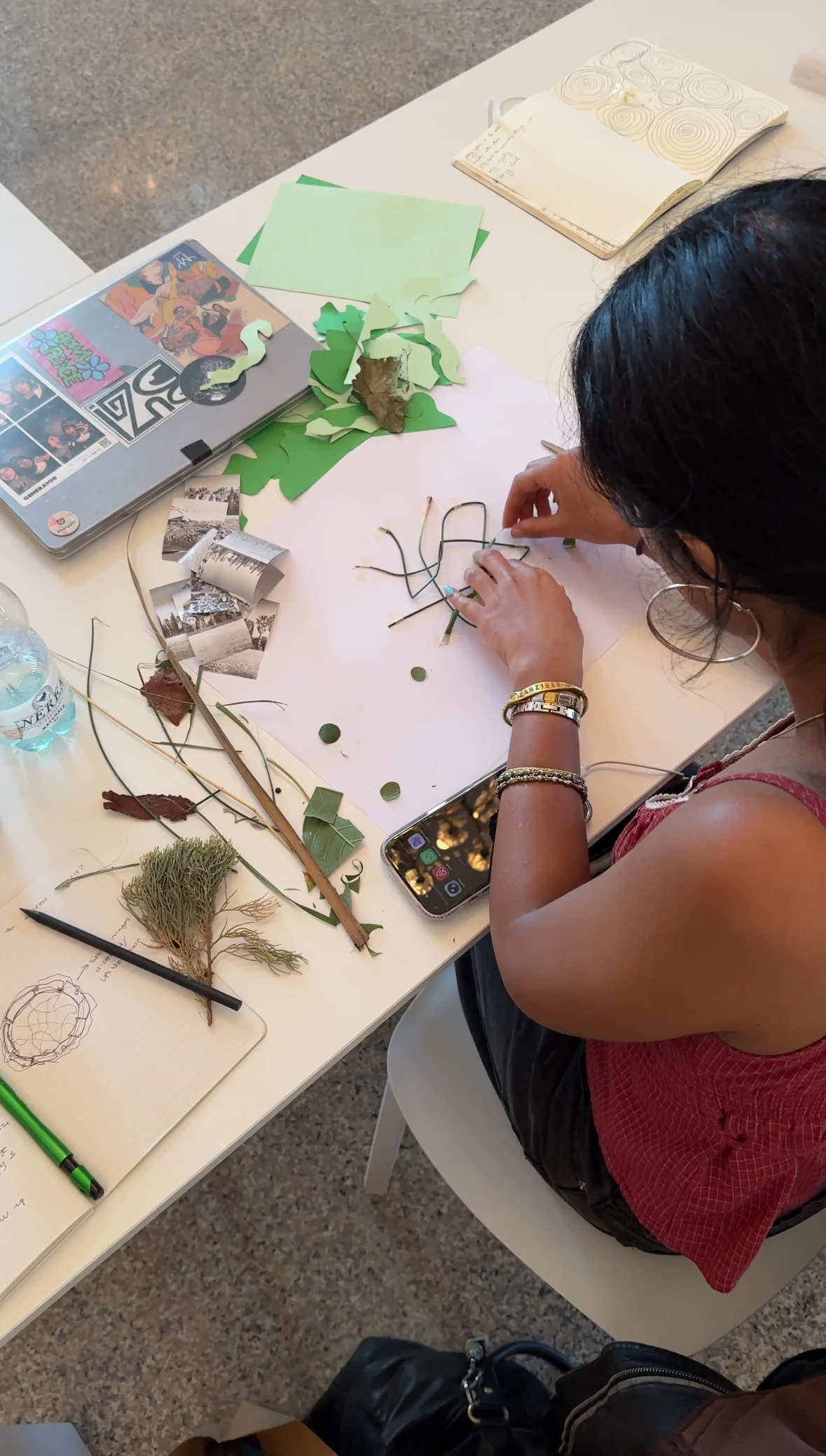
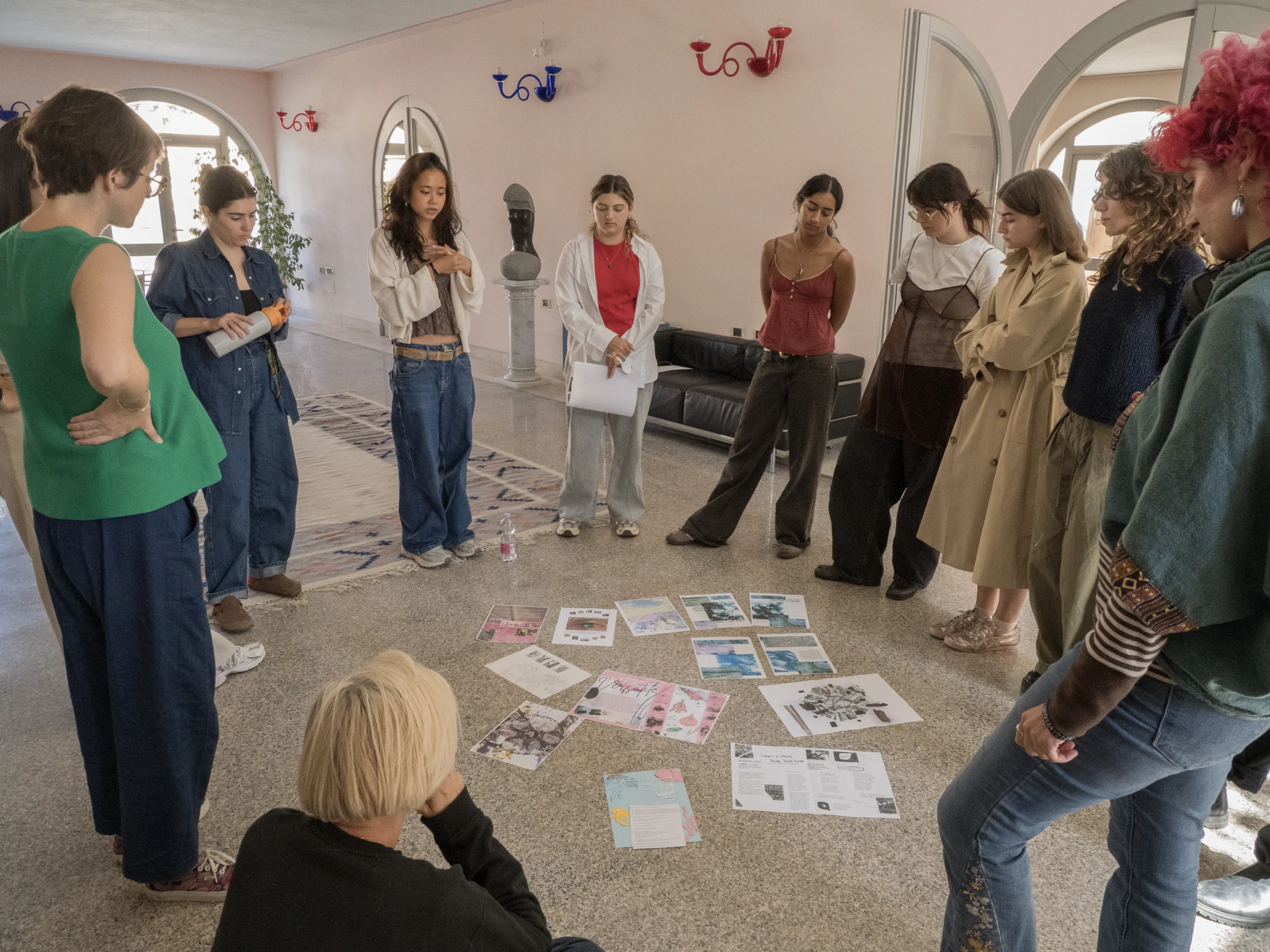
La fase conclusiva del workshop è stata dedicata alla rielaborazione individuale delle esperienze maturate durante la settimana. A ciascun partecipante è stato chiesto di individuare un aspetto significativo del percorso e di tradurlo attraverso un linguaggio espressivo coerente con il proprio percorso formativo e le proprie pratiche.
La restituzione ha lasciato spazio a modalità differenti, in linea con la varietà degli ambiti disciplinari coinvolti, dalla fotografia alla moda, dall’illustrazione ad altre forme di ricerca e rappresentazione.
L’obiettivo non era produrre una documentazione uniforme delle attività, ma consentire a ciascuno di rielaborare gli stimoli ricevuti, mettendo in relazione l’esperienza condivisa con il proprio campo di interesse e con le possibilità di sviluppo futuro.
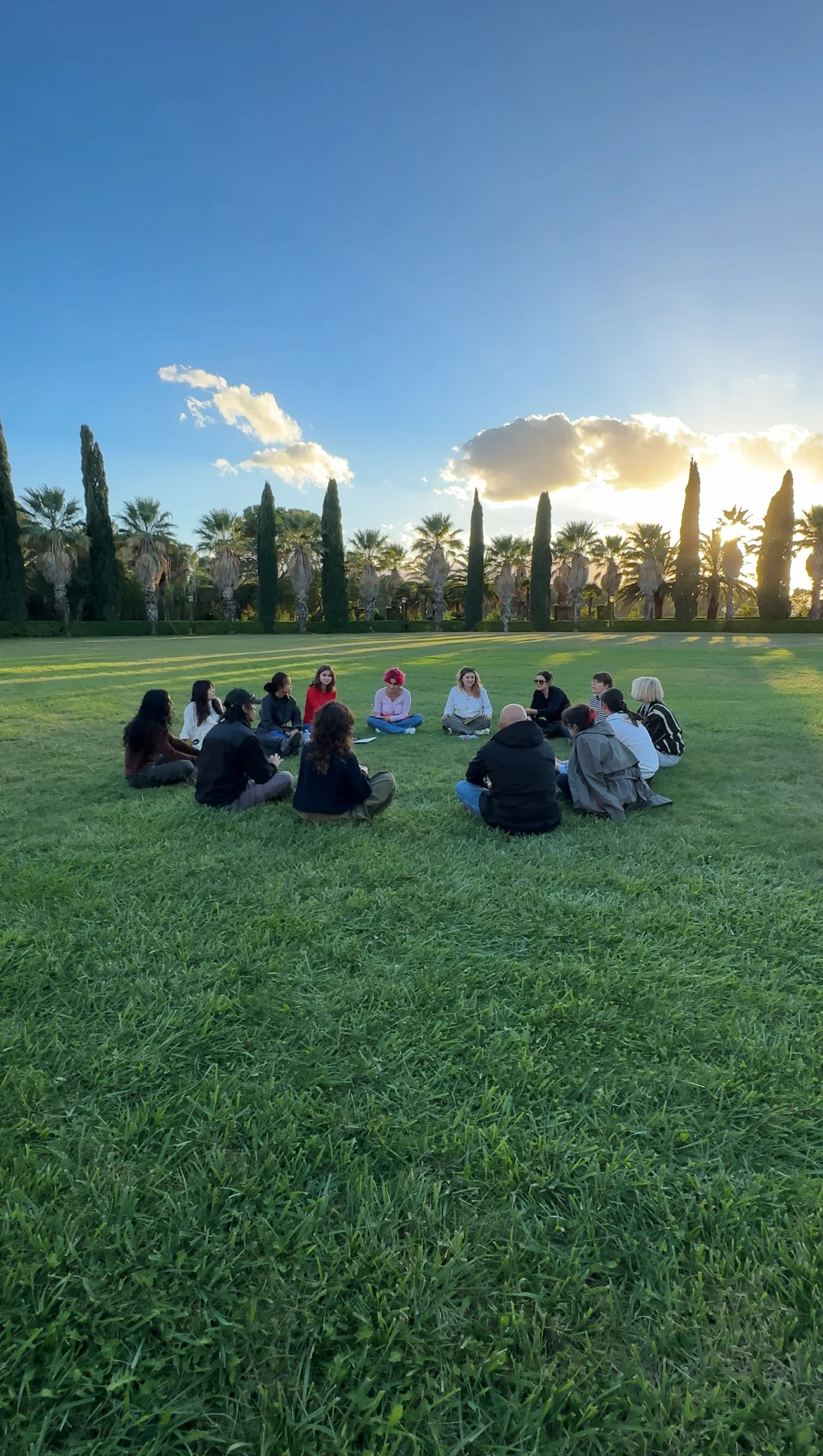
La condivisione dei lavori con il gruppo e con i tutor ha rappresentato un ulteriore momento di scambio, nel quale prospettive e linguaggi differenti hanno contribuito a restituire la pluralità delle esperienze attraversate. Un passaggio che ha evidenziato come l’apprendimento possa svilupparsi non soltanto attraverso l’acquisizione di conoscenze, ma anche attraverso l’elaborazione personale, la discussione e la relazione tra approcci diversi.
Villa Asquer come contesto per la formazione e la sperimentazione
L’esperienza di Tuning in the Landscape mette in evidenza alcune delle possibilità offerte da Villa Asquer come luogo per attività formative e di ricerca che richiedono un rapporto diretto con l’ambiente.
L’estensione del Parco, la varietà degli spazi e degli ambienti, la presenza di una componente botanica articolata e la relazione tra aree aperte e spazi interni consentono di sviluppare percorsi che alternano osservazione, lavoro sul campo, momenti di approfondimento e attività di gruppo.
La possibilità di confrontarsi direttamente con un ambiente reale favorisce inoltre il passaggio dall’elaborazione teorica all’esperienza concreta. Il paesaggio non viene affrontato soltanto come oggetto di studio o tema di rappresentazione, ma come sistema complesso nel quale le componenti naturali, gli spazi e le attività umane sono in relazione tra loro.
Per Villa Asquer, ospitare Tuning in the Landscape ha significato mettere a disposizione un contesto in cui formazione, osservazione ambientale e progettazione potessero incontrarsi, offrendo agli studenti l’opportunità di sviluppare una relazione più consapevole con il luogo e di tradurre gli stimoli ricevuti in nuove domande e prospettive di lavoro.
Un’esperienza da cui ripartire
Nel corso della settimana, Tuning in the Landscape ha intrecciato pratiche sensoriali, ricerca sui materiali e sperimentazione progettuale, accompagnando i partecipanti dall’osservazione diretta del Parco alla rielaborazione individuale dell’esperienza.
Il filo conduttore è stato il tentativo di ampliare il modo in cui guardiamo al paesaggio e consideriamo le relazioni tra esseri viventi, materiali e ambiente. Un approccio che invita a riconoscere la complessità dei sistemi ecologici e a considerare l’osservazione come una componente fondamentale dei processi di ricerca e progettazione.
L’esperienza ha inoltre mostrato il valore dell’incontro tra discipline differenti: prospettive e strumenti diversi hanno permesso di affrontare uno stesso contesto attraverso molteplici interpretazioni, aprendo possibilità di riflessione che possono proseguire oltre i giorni del workshop.
A Villa Asquer, il Parco si è confermato così uno spazio in cui l’esperienza diretta dell’ambiente può diventare occasione di apprendimento, ricerca e sviluppo progettuale. Un luogo da conoscere attraverso l’osservazione e la pratica, nel quale la relazione con il paesaggio può contribuire a immaginare nuovi modi di interpretare e progettare il mondo in cui viviamo.
Tuning in the Landscape: Villa Asquer’s Park as a Space for Observation, Research and Design
From 19 to 23 October 2026, Villa Asquer hosted Tuning in the Landscape, a workshop curated by IED’s Master of Arts programme Design X Other Species. The workshop explored new ways of engaging with the landscape, bringing together direct environmental observation, material research and design experimentation within the Park as a setting for learning and discovery.
How does our perception of a landscape change when we experience it through listening, movement, physical contact with materials and an awareness of the relationships between different forms of life? And how can these experiences open up new perspectives on design?
Curated by the Master of Arts programme Design X Other Species. Transdisciplinary Practices towards More-than-human Futures, the workshop brought together students from different IED campuses. It offered a transdisciplinary learning experience, inviting participants to explore new ways of observing and interpreting the landscape beyond an exclusively anthropocentric perspective.
The workshop was curated by Angela Rui, Design curator and Researcher, who also serves as Head of Master of Arts Programs at IED Milan.
Within this process, Villa Asquer’s Park was more than simply the setting for the activities: it became an active part of the learning experience. A place to move through, observe and investigate, where vegetation, biodiversity and open spaces provided inspiration and material for research and design reflection.
Learning to Observe: Experiencing the Landscape from New Perspectives
The first stage of the workshop focused on exploring the Park through sensory practices and activities involving observation, listening, orientation and representation. Students were encouraged to engage with the surroundings in different ways, paying attention to elements and connections that often remain unnoticed in everyday experience.
Direct engagement with the environment provided a starting point for questioning how we perceive and interpret a landscape. By looking beyond visual observation alone and incorporating other sensory stimuli, participants were able to approach the place from different perspectives, bringing into focus the relationships between living beings and the environments in which they exist.
The Park thus became a field of enquiry, where physical experience of the space was intertwined with the development of questions and ideas. This approach recognises observation not merely as a preliminary stage, but as an essential tool for developing new perspectives and ways of understanding the environment.
Water as an Element of Connection
Water played a central role in the workshop as an element connecting environments, organisms and processes. Through an activity led by artist Giuditta Vendrame, participants explored the subject through three actions: mapping, listening and relating.
Water was considered not simply as a resource or a physical component of the landscape, but as a connecting element through which to understand the interdependencies between the different parts of an environmental system.
This perspective broadened the scope of observation, encouraging participants to recognise relationships and dynamics that are not always immediately visible. The landscape emerged not as a collection of isolated elements, but as a network of connections to be explored through attention, research and direct experience.
From Natural Materials to Design Research
A further stage of the workshop shifted the focus to the natural materials found in the Park, their characteristics, and their relationship with biodiversity and the ecological systems of which they are part.
Guided by designer Eugenia Morpurgo, each participant selected a number of materials and shared with the group the reasons behind their choices and the characteristics that had drawn their attention. Building on this observation, students reflected on possible applications within their own fields of study and design practice.
The activity connected first-hand fieldwork with the different disciplines represented by the students, showing how the same element can suggest different interpretations and potential uses depending on the perspective from which it is approached.
The research extended beyond the materials’ physical properties and potential applications. It also considered the ecological context from which they originate, the relationships that connect them to their surroundings and the balances of which they are part.
From this perspective, materials are considered not only in terms of their performance or potential uses, but also in relation to the processes and environmental systems that shape their presence. This is an important step towards a design approach that engages with the complexity of the relationships between human activity and the natural world.
In this respect, the Park provided a tangible setting in which to put the design perspective to the test: an environment from which to observe, select, develop hypotheses and imagine applications, while keeping the relationship between materials, place and ecological systems at the centre of the process.
Reflecting on the Experience: From Individual Research to Shared Perspectives
The final stage of the workshop was devoted to individual reflection on the experiences gathered throughout the week. Each participant was invited to identify an aspect of the process that had proved particularly meaningful and translate it into a form of expression consistent with their own educational background and creative practice.
The final contributions took different forms, reflecting the range of disciplines involved, from photography and fashion to illustration and other forms of research and visual representation.
The aim was not to produce a standardised record of the activities, but to give each participant the opportunity to reinterpret the ideas and insights they had encountered, connecting the shared experience with their own interests and potential future work.
Sharing their contributions with the group and tutors provided a further opportunity for exchange. Different perspectives and forms of expression came together, reflecting the variety of experiences explored during the workshop. This process highlighted how learning can develop not only through the acquisition of knowledge, but also through personal reflection, discussion and the exchange of different approaches.
Villa Asquer as a Setting for Learning and Experimentation
Tuning in the Landscape highlighted some of the opportunities Villa Asquer offers as a setting for educational and research activities that call for direct engagement with the environment.
The scale of the Park, the variety of its spaces and environments, its rich botanical heritage and the relationship between outdoor areas and indoor facilities make it possible to develop programmes combining observation, fieldwork, in-depth study and group activities.
Engaging directly with a real environment also helps bridge the gap between theoretical reflection and practical experience. The landscape is approached not simply as an object of study or a subject for representation, but as a complex system in which natural elements, spaces and human activities are interconnected.
For Villa Asquer, hosting Tuning in the Landscape meant providing an environment in which learning, environmental observation and design could come together, giving students the opportunity to develop a more considered relationship with the place and translate their experience into new questions and directions for further work.
An Experience to Build On
Throughout the week, Tuning in the Landscape brought together sensory practices, material research and design experimentation, guiding participants from direct observation of the Park to individual reflection on the experience.
The underlying aim was to broaden the way we look at the landscape and understand the relationships between living beings, materials and the environment. An approach that encourages a recognition of the complexity of ecological systems and places observation at the heart of research and design processes.
The workshop also demonstrated the value of bringing different disciplines together. A range of perspectives and tools made it possible to explore the same environment through multiple interpretations, opening up lines of enquiry that can extend beyond the workshop itself.
At Villa Asquer, the Park once again proved to be a place where direct experience of the environment can become an opportunity for learning, research and design development. A setting to be understood through observation and practice, where engagement with the landscape can help shape new ways of interpreting and designing the world we live in.